Every Author Leaves Tracks
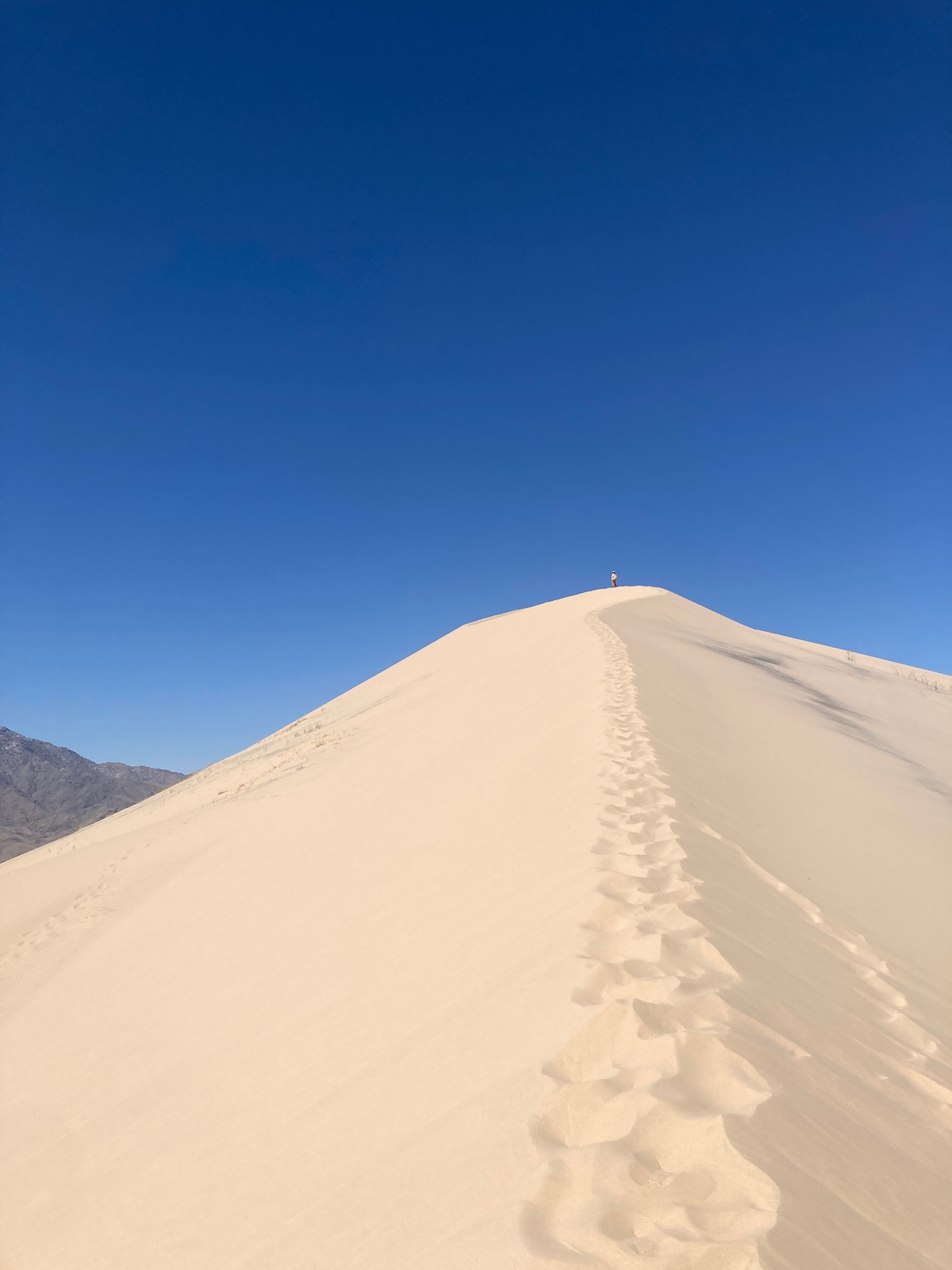
Mornings at my desert maison, I’m out the door as the sunrise burnishes the mesa, coffee in hand, checking who visited overnight. A coyote’s brisk trail cuts across the drive. A jackrabbit zigzagged where something spooked it. The resident bobcat padded through, methodical as ever. I can see where each visitor paused, where they changed direction, and where their story picked up speed.
Authors leave tracks too. Before I’ve read a page of manuscript, the way someone moves toward their book tells me which kind of help will get them there. Most people who contact me know their subject cold. The part they’re unsure of is the question underneath: ghostwriter, developmental editor, or book coach? (If you’ve wondered what an editor is, actually, you’re in good company.) Sand answers faster than a services menu.
3 Tracks, 3 Kinds of Book Help
Every traveler leaves a signature. Here are three I’ve followed lately, and what each one asked of me.
- The sidewinder: you talk it, someone else writes it. A sidewinder’s track is a repeating J-shaped stitch across open sand, and by the time you find it, the snake is long gone. One project began as a marathon interview with a legend in his field. My job was to turn spoken memory into a structured, page-turning narrative, then carry it through the publisher’s editorial rounds. My craft had to disappear so the voice left on the page was his. That’s ghostwriting. If you can tell your story across a table for hours but the blank page stops you cold, this is your track. (Curious about fit? Here’s what ghostwriters look for in authors.)
- The crossing: one manuscript, several books. Some tracks only make sense once you kneel where the trails overlap. A veteran storyteller with decades of acclaim wanted to write about creativity itself, and arrived with three books in one manuscript. The work started as diagnosis: a developmental read to find where each line began and ended. Then came strategy: a structure, drawing on classic story forms, that held his voice without dropping any of the three threads. That’s developmental editing and book strategy. If readers keep telling you “there’s so much here,” or you’re stuck in possibility paralysis, this is your track.
- The hesitant hop: you’re writing, and doubting every step. These footprints double back on themselves, small test-steps before the animal commits. A memoir author kept losing sight of himself inside his own story. He’d call to ask whether a photo placement felt right; the question underneath was whether he was still at the center of his own book. I explained the why behind each choice until he trusted my read. “If you like it, I know I’m on the right track,” he told me. Soon he trusted his own instincts too, as far downstream as distribution and publicity. That’s book coaching. If you draft, delete, and poll three friends, this is your track.
The Queen’s tip: You often can’t read your own tracks, and neither can the people closest to you. They know your terrain so well that they fill every gap with context you never wrote down. Economists named this the curse of knowledge: once you know something, you can’t read as if you don’t. Borrow instead from sociologist Mark Granovetter’s strength of weak ties. Hand one chapter to someone who has only heard you mention “the book” in passing. Where they lose the thread, a bookstore browser will too.
Can't Tell Which Track Is Yours?
Most authors can’t, and plenty leave more than one. If you’ve been circling a book and feel like an outlier (too specialized, too scattered, too late to the idea), you’re in very good company. The terrain is wide enough for every kind of traveler.
Tell me how you’ve been moving toward your book: talking, tangling, or testing. I’ll tell you what I see in the sand and which kind of help fits. Then we walk it together, at your pace. Sturdy shoes optional.
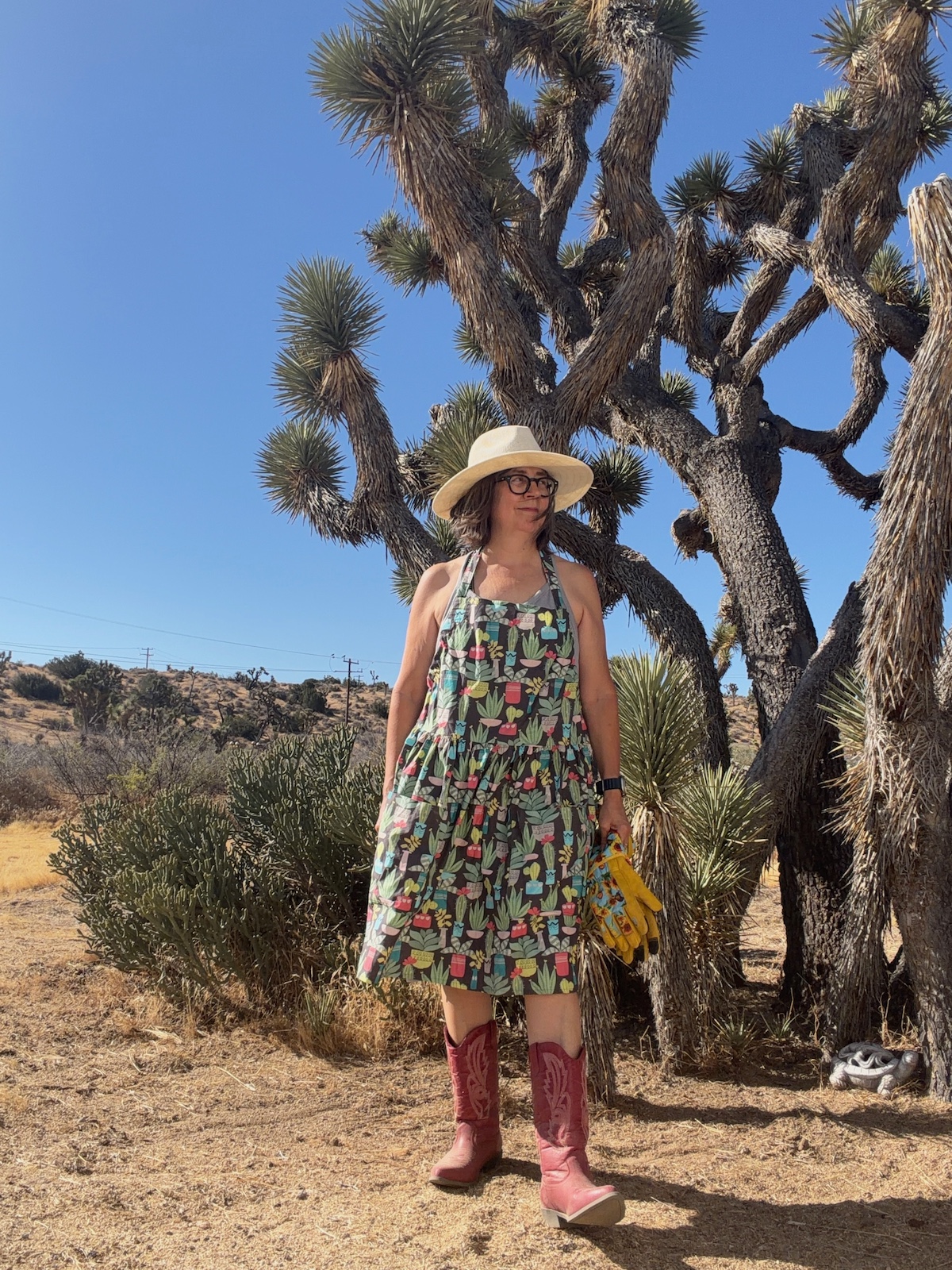
Elizabeth Smith is a ghostwriter, developmental editor, and book strategist with two decades of publishing experience—and a southpaw with a mean right hook. Between a NYC boxing gym and her Mojave Desert maison, she helps thinkers, creatives, and organizations articulate their ideas through books that resonate deeply.
And check out my Queen of Everything newsletter: Subscribe for monthly insights on the book development process. .