The Back Door
A friend of a friend once told me I could probably get into Carnegie Mellon. But not RISD. I had no idea what RISD was. I found out. I applied. I got in. Take that, friend of a friend!
I’ve done this my whole career: slipped in through the back door, found the generous people in the room, watched what they did, connected the dots. Teaching. Publishing. Especially at Rizzoli, where I learned the difference between blues and proofs from colleagues brilliant enough to be patient with someone who arrived without obvious credentials. I watched, I asked, and most importantly, I stayed curious long past when it would have been more comfortable to pretend I already knew.
Which is how I ended up in a room with an author who asked me, point-blank: So what’s the purpose of an editor?

The Question, I've Been Working on Ever Since
I gave him a list of tasks. Structural editing, manuscript development, coordinating with designers, keeping the vision aligned with what the publisher actually needed. It was all true. Even as I was saying it, I knew that so wasn’t the answer.
Tasks are what an editor DOES. They aren’t what an editor IS.
I’ve been staying in the Mojave long enough to stop being a tourist on my own five acres. Long enough to learn what I missed when I was only passing through at 75 mph. The desert rewards the person who slows down enough to see what’s actually there — coyote tracks that weren’t in the yard yesterday, a roadrunner crossing, the way the light hits the cholla at a specific hour in June and nowhere else.
The answer to that author’s question works the same way. It comes from doing, and for me that means doing from all sides: as an developmental editor and project editor and a book strategist as well as writer and ghostwriter. That kind of editorial sunshine isn’t going to come from a list of tasks!
Here's what I’ve experienced, after two decades: an editor connects.
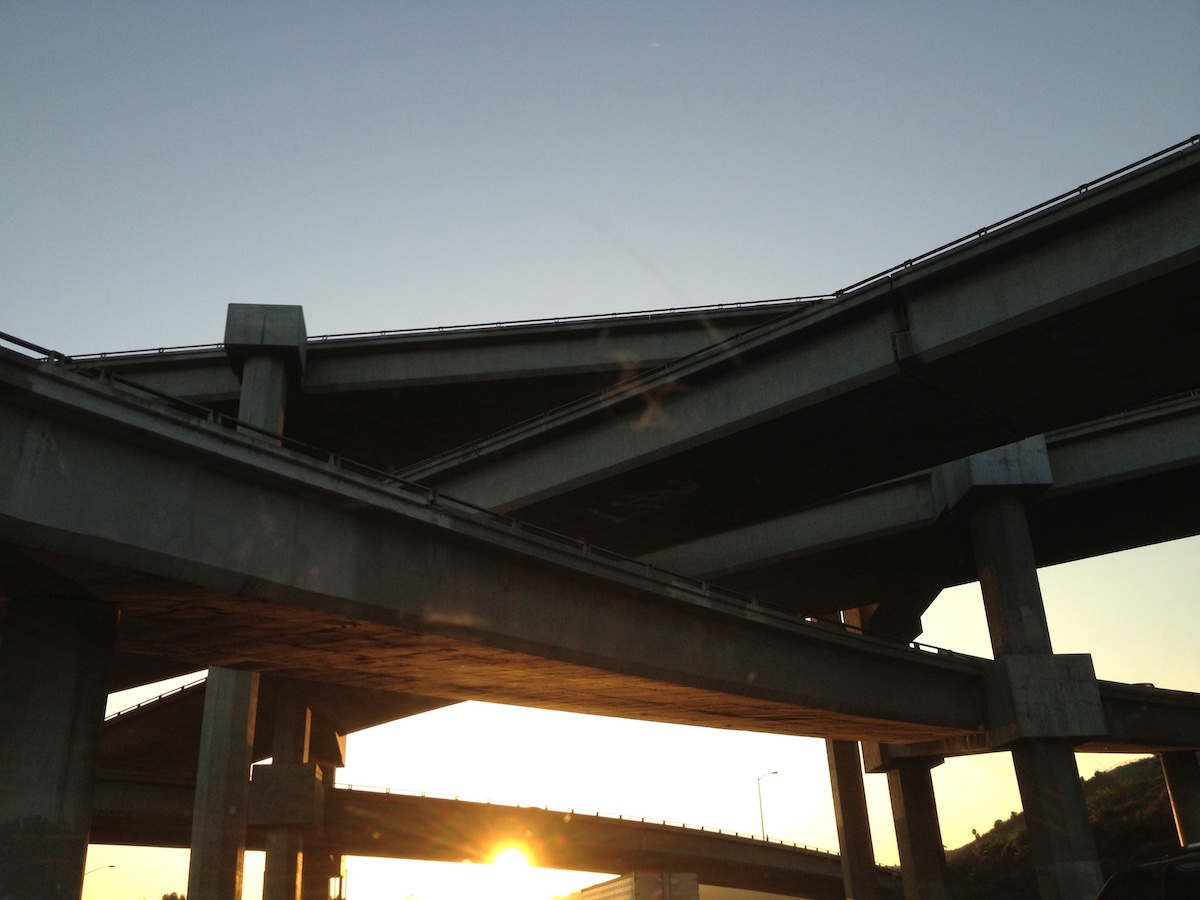
What “Connecting” Looks Like IRL
Let me show you what I mean when I say editors connect.
- The writer to the brief. A coffee table book starts before the manuscript. It begins with a conversation between author, publisher, designer, and potential reader, happening simultaneously. As an editor, my first job is understanding what the publisher needs and making sure the writer is moving toward it, not away from it.
- The manuscript to its readers. Not just how words are structured, but why — what gap in a reader’s understanding or experience does this book fill? That question shapes every editorial decision.
- The author to their own argument. This is the one that surprises people. But I am not wrong here: Experts know more than they can say, and the job is finding the thread that runs through everything they know and helping them follow it to the end.
- The writer to the rest of the production team. A designer can’t do their job until the manuscript is in shape. A production manager can’t do theirs until the designer can do theirs. An editor works ahead — clearing the path.
- The author to their original intention. When projects stall (and whoo-boy they can stall), it's usually because that connection has frayed. Someone lost track of the big why or the big how. Getting those back is most of the work.
None of these are on the standard list of editorial tasks. All of them are what I actually do.
QOE TIP: Before any writing session, try asking yourself not “what am I trying to say?” but “what am I trying to connect?” It orients and reorients, time and again.
The answer to my author’s question turned out to be simple enough to say in one word. It just took me twenty years of slipping in back doors and slowing down in the desert to see it right.
In Your Corner
If you’ve got a manuscript, a half-finished idea, or a deadline that’s started to feel personal, I’d like to hear about it. The gap you can’t quite name is usually where I start.
Book a 15-minute free call, and we’ll figure out what stage needs the most support—and who you need in your corner to make your book a champ.
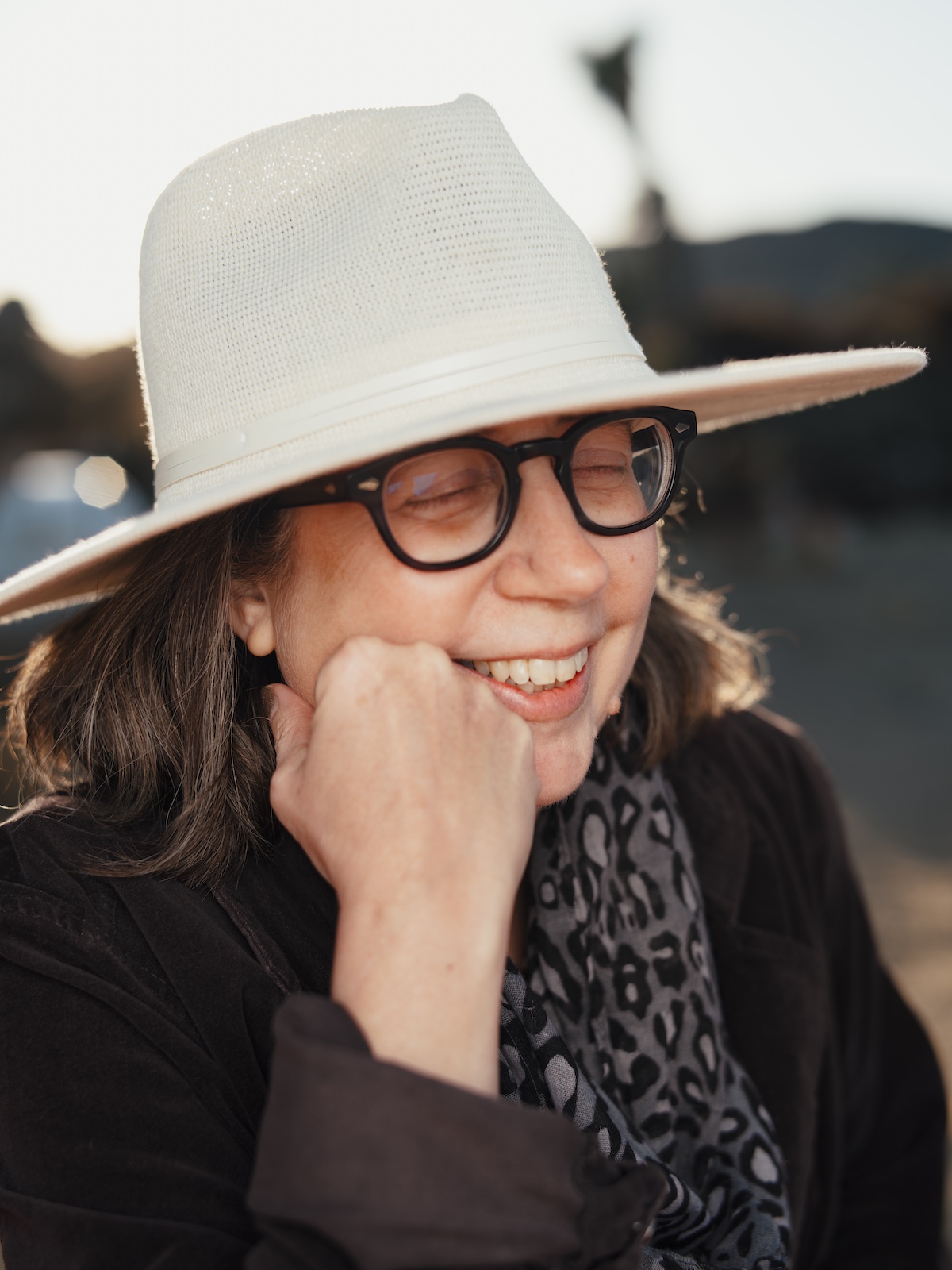
Elizabeth Smith is a ghostwriter, developmental editor, and book strategist with two decades of publishing experience—and a southpaw with a mean right hook. Between a NYC boxing gym and her Mojave Desert maison, she helps thinkers, creatives, and organizations articulate their ideas through books that resonate deeply.
And check out my Queen of Everything newsletter: Subscribe for monthly insights on the book development process. .